Stop Snoring Exercise Program | Blue Heron Health News

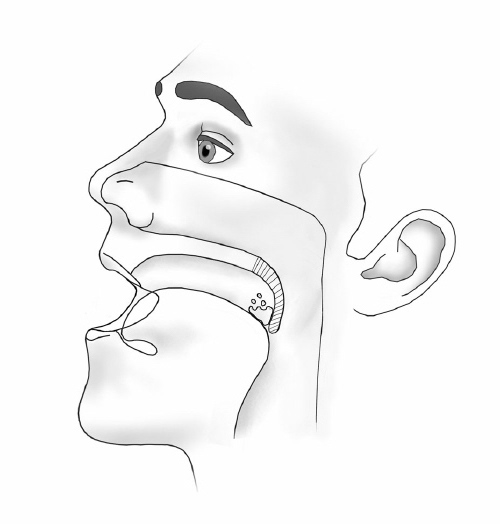
Snoring is a common nighttime problem that affects millions of people around the world. While occasional snoring may be harmless, frequent or loud snoring can interfere with sleep quality and may also affect a partner or other family members. Many people who snore are interested in natural approaches that may help them breathe more comfortably at night, including lifestyle changes, better sleep habits, and exercises designed to strengthen the muscles around the mouth, tongue, throat, and upper airway.
Interest in snoring exercises has grown as more people explore non-invasive ways to manage nighttime breathing problems. Health and wellness publishers such as Blue Heron Health News have also helped bring attention to natural approaches for common health concerns. Although exercises are not a guaranteed cure for snoring or sleep apnea, some research suggests that targeted mouth and throat exercises may help certain people reduce snoring by improving muscle tone in the upper airway.
What Causes Snoring?
Snoring occurs when airflow through the nose and throat becomes partially restricted during sleep. As air moves through the narrowed airway, surrounding tissues can vibrate, producing the familiar sound of snoring.
Several factors may contribute to snoring. These include sleeping on your back, nasal congestion, allergies, excess body weight, alcohol consumption before bedtime, smoking, and naturally narrow airways. Age can also play a role because muscle tone in the throat may decrease over time.
For some people, snoring may be associated with obstructive sleep apnea, a condition in which breathing repeatedly stops and starts during sleep. Warning signs can include loud habitual snoring, gasping or choking during sleep, morning headaches, excessive daytime sleepiness, difficulty concentrating, and witnessed pauses in breathing. Anyone experiencing these symptoms should speak with a healthcare professional rather than relying solely on exercises.
Can Exercises Help Reduce Snoring?
The idea behind snoring exercises is relatively simple: strengthening and coordinating the muscles involved in breathing and swallowing may help reduce excessive airway narrowing during sleep.
The muscles of the tongue, soft palate, throat, and mouth all play important roles in maintaining an open airway. When these muscles are weak or relaxed during sleep, the airway may become narrower, increasing the likelihood of tissue vibration.
Exercises may be particularly helpful as part of a broader approach to managing mild snoring. However, results vary from person to person. Consistency is important, and exercises should generally be practiced regularly over time rather than expecting immediate results after one or two sessions.
1. Tongue Slide Exercise
One simple exercise involves sliding the tongue along the roof of the mouth.
Place the tip of your tongue just behind your upper front teeth. Slowly move your tongue backward along the roof of your mouth while keeping it pressed gently against the surface. Then return it to the starting position.
Repeat this movement several times.
This exercise is intended to engage the tongue and muscles surrounding the upper airway. Performing it regularly may help improve tongue control and muscle tone.
2. Tongue Stretch
Another popular exercise involves sticking your tongue out as far as comfortably possible.
Open your mouth slightly and extend your tongue forward. Try to reach toward your chin without causing discomfort. Hold the position for a few seconds before relaxing.
You can also move your extended tongue from side to side.
Repeat several times. The goal is to activate the tongue muscles and improve their strength and coordination.
3. Singing Exercises
Singing naturally engages muscles in the throat, mouth, tongue, and soft palate. For this reason, some people incorporate singing into their daily routine as a possible way to support better upper-airway muscle tone.
You do not need to be a professional singer. Simply singing for a few minutes each day may provide a gentle workout for the muscles involved in speech and airway control.
Some people also practice repeating vowel sounds such as “A,” “E,” “I,” “O,” and “U” clearly and deliberately. These exercises can encourage controlled movement of the mouth and throat muscles.
4. Jaw and Mouth Exercises
Strengthening the muscles involved in chewing and jaw movement may also be included in a routine designed to address snoring.
Try slowly opening and closing your mouth while keeping your jaw relaxed. You can also gently move your lower jaw from side to side.
Another option is to practice exaggerated pronunciation of certain words or vowel sounds. This encourages movement of the tongue, lips, and jaw.
Always perform these exercises gently. If you experience jaw pain or discomfort, stop and consult an appropriate healthcare professional.
5. Soft Palate Exercise
The soft palate is the soft tissue located toward the back of the roof of your mouth. Exercises that engage this area may be incorporated into some approaches for reducing snoring.
One simple method is to open your mouth and gently pronounce the vowel sound “A” repeatedly. Focus on making the sound clearly while engaging the muscles at the back of your mouth.
This type of exercise may help improve awareness and control of the muscles involved in the upper airway.
6. Practice Nasal Breathing
Although nasal breathing is not technically a muscle-strengthening exercise, developing better breathing habits may be useful for some people.
During the day, practice breathing slowly through your nose whenever it feels comfortable. If you regularly experience nasal blockage because of allergies, congestion, or another condition, addressing the underlying cause may be more helpful than simply trying to force nasal breathing.
Persistent nasal obstruction should be evaluated by a healthcare professional.
Combine Snoring Exercises With Healthy Sleep Habits
Snoring exercises may work best when combined with other lifestyle strategies. One of the simplest approaches is changing your sleeping position.
For some people, sleeping on the side instead of the back may reduce snoring because it can help prevent the tongue and soft tissues from falling backward into the airway.
Maintaining a healthy weight may also be beneficial for people whose snoring is associated with excess weight around the neck and upper airway. Regular physical activity, a balanced diet, and good sleep habits can support overall health.
Avoiding alcohol close to bedtime may also help because alcohol can relax the muscles of the upper airway, potentially making snoring worse.
Keeping a consistent sleep schedule and getting adequate sleep are additional habits worth considering.
How Long Does It Take for Snoring Exercises to Work?
There is no universal timeline. Some people may notice changes after practicing exercises consistently for several weeks, while others may see little or no improvement.
The effectiveness of snoring exercises depends on the underlying cause of the snoring. If the problem is primarily related to muscle tone, exercises may potentially provide some benefit. However, if snoring is caused by significant nasal obstruction, anatomical factors, or sleep apnea, exercises alone may not be enough.
This is why it is important to identify the reason behind persistent snoring.
When Should You See a Doctor?
Occasional snoring is often not a major concern. However, frequent, very loud, or worsening snoring deserves attention, especially when it is accompanied by other symptoms.
Speak with a healthcare professional if you experience excessive daytime sleepiness, morning headaches, difficulty concentrating, choking or gasping during sleep, or witnessed pauses in breathing.
These symptoms may indicate sleep apnea, which can have important health consequences if left untreated.
Final Thoughts on Snoring Exercises
Snoring exercises offer a simple, non-invasive approach that some people may find useful as part of a broader strategy for improving nighttime breathing. Exercises involving the tongue, mouth, jaw, throat, and soft palate may help strengthen or improve control of muscles that contribute to airway stability.
However, snoring is not always caused by weak muscles. Nasal congestion, sleeping position, alcohol, body weight, anatomical differences, and sleep-related breathing disorders can all contribute to the problem.
For this reason, it is best to view snoring exercises as one possible tool rather than a guaranteed solution. Consistent practice, healthy sleep habits, and attention to underlying causes can all play a role in improving sleep quality.
If you are researching natural approaches to snoring and nighttime breathing, resources such as Blue Heron Health News may provide additional health and wellness information. Nevertheless, anyone with persistent or severe snoring—particularly when accompanied by breathing pauses or daytime fatigue—should seek professional medical advice to determine the underlying cause and appropriate treatment.
Click here to get Stop Snoring Exercise Program | Blue Heron Health while it’s still available…