The Smoothie Diet™ 21 Day Weight Loss Program

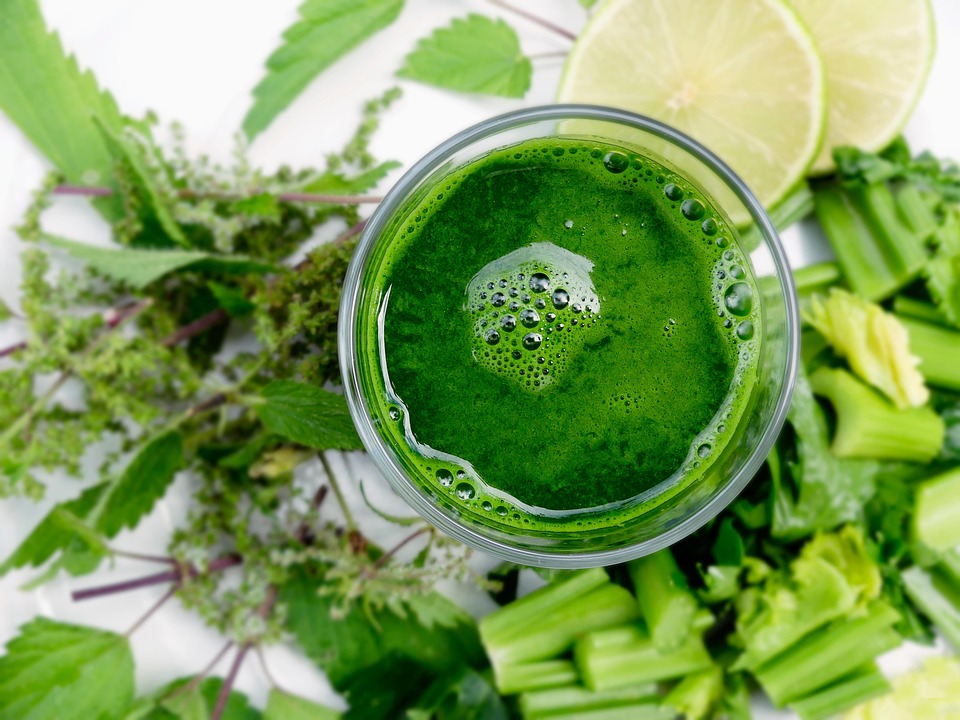
Losing weight can be challenging, especially when traditional diets feel restrictive, complicated, or difficult to maintain. This is one reason why smoothie-based eating plans have become increasingly popular among people looking for a convenient approach to healthier eating. The Smoothie Diet™ 21 Day Weight Loss Program is a structured program that focuses on incorporating nutrient-rich smoothies into a short-term weight-loss routine.
The program has attracted attention from people who enjoy fruit and vegetable smoothies and want a simple way to organize their meals while working toward their weight-management goals. Rather than relying on complicated recipes or expensive ingredients, the concept behind a smoothie diet is to combine whole-food ingredients into convenient drinks that can be incorporated into a balanced daily eating plan.
However, it is important to understand that successful weight management involves more than simply drinking smoothies. A healthy lifestyle generally includes balanced nutrition, physical activity, adequate sleep, and sustainable habits. The Smoothie Diet™ 21 Day Weight Loss Program may be viewed as a structured starting point, but individual results can vary.
What Is The Smoothie Diet™ 21 Day Weight Loss Program?
The Smoothie Diet™ is designed around a 21-day approach to improving eating habits through the strategic use of smoothies. The idea is to make healthy food choices easier by using blended drinks containing ingredients such as fruits, vegetables, leafy greens, seeds, nuts, and other nutritious foods.
One of the main attractions of a smoothie-based diet is convenience. Preparing a smoothie can be quicker than cooking a complete meal, making it potentially appealing to people with busy schedules.
The 21-day structure also provides a defined timeframe. Instead of approaching weight loss as an indefinite process, participants can focus on developing healthier routines over three weeks.
The exact structure, recipes, and recommendations of the program may vary depending on the version or materials being followed, so people interested in the official program should review its current instructions carefully.
How Does a Smoothie Diet Work?
A smoothie-based weight-loss plan generally works by replacing or modifying certain meals with carefully prepared smoothies. The goal is usually to create satisfying drinks that provide important nutrients while helping individuals manage their overall calorie intake.
A well-balanced smoothie can include several components. Fruits may provide natural sweetness and carbohydrates, while vegetables and leafy greens can add fiber and micronutrients. Ingredients such as Greek yogurt, milk, soy milk, or other protein sources may help increase protein content.
Healthy fats can also be included through foods such as chia seeds, flaxseeds, nut butters, or avocado. These ingredients can make smoothies more filling and provide essential nutrients.
The key is balance. A smoothie made primarily from fruit juice and high-sugar ingredients may contain significant amounts of sugar and calories without providing the same nutritional benefits as a smoothie made with whole fruits, vegetables, protein, and fiber.
Potential Benefits of The Smoothie Diet™ 21 Day Program
One potential advantage of a structured smoothie diet is simplicity. Many people struggle with weight loss because they do not know what to eat or how to plan their meals. Having a structured program can reduce decision fatigue and make it easier to follow a consistent routine.
1. Convenient Meal Preparation
Smoothies can be prepared relatively quickly. With the right ingredients available, a nutritious smoothie may take only a few minutes to blend.
This convenience may be especially helpful for people who have demanding work schedules or limited time for meal preparation.
2. Increased Fruit and Vegetable Intake
Smoothies can provide an easy way to incorporate more fruits and vegetables into a person’s diet. Leafy greens such as spinach and kale can be blended with fruits to create flavorful combinations.
However, whole fruits and vegetables should still remain part of a balanced diet because chewing whole foods and consuming a variety of food textures can contribute to overall dietary quality.
3. Greater Awareness of Nutrition
Following a structured smoothie program may encourage people to pay closer attention to the ingredients they consume. Instead of automatically reaching for processed snacks or fast food, participants may become more conscious of protein, fiber, vitamins, minerals, and portion sizes.
This increased awareness can potentially support healthier long-term eating habits.
4. A Defined 21-Day Structure
Three weeks can provide a manageable period for establishing new routines. Participants may find it easier to commit to a specific 21-day challenge than to an open-ended diet.
The most valuable outcome may be the development of habits that continue beyond the initial program.
What Ingredients Are Commonly Used in Weight-Loss Smoothies?
A balanced smoothie can contain a combination of several food groups.
Fruits: Berries, apples, bananas, mangoes, and other whole fruits can provide natural sweetness and nutrients.
Vegetables: Spinach, kale, cucumber, carrots, and other vegetables can increase the nutritional value of a smoothie.
Protein: Greek yogurt, unsweetened soy milk, cottage cheese, or other protein-rich ingredients may help create a more satisfying drink.
Healthy fats: Chia seeds, flaxseeds, avocado, and nut butters can provide healthy fats and contribute to satiety.
Liquid: Water, unsweetened plant-based milk, or regular milk can be used as a smoothie base depending on dietary preferences.
The best ingredients will depend on individual nutritional needs, allergies, health conditions, and personal preferences.
Can The Smoothie Diet™ Help You Lose Weight?
Weight loss occurs when the body uses more energy than it receives from food over time. A smoothie diet may support weight loss if it helps an individual maintain an appropriate calorie deficit while still providing adequate nutrition.
However, smoothies themselves are not a magic solution for losing body fat. A smoothie can be nutritious but still high in calories if it contains large quantities of calorie-dense ingredients.
For example, adding multiple bananas, large amounts of nut butter, sweetened yogurt, and fruit juice to one smoothie can significantly increase its calorie content.
Portion control and ingredient selection therefore remain important.
It is also worth remembering that rapid changes in body weight during a short program may include fluctuations in water weight rather than only changes in body fat.
Tips for Getting the Most From a 21-Day Smoothie Program
If you decide to try a smoothie-based eating plan, preparation can make the experience easier.
Plan your ingredients in advance and keep commonly used fruits and vegetables available. Frozen fruits and vegetables can be particularly convenient because they have a longer storage life and can create a thick, cold smoothie without requiring large amounts of ice.
Focus on variety rather than drinking the same smoothie every day. Different fruits, vegetables, and protein sources provide different nutrients.
Pay attention to added sugars. Using whole fruit instead of fruit juice can help reduce unnecessary added sugar while increasing fiber.
Do not forget hydration. Water should remain an important part of your daily routine, even if you consume smoothies regularly.
Finally, consider combining a healthy eating plan with regular physical activity. Walking, strength training, cycling, swimming, or other enjoyable activities can support overall health and fitness.
Is The Smoothie Diet™ Right for Everyone?
A smoothie-based diet may not be appropriate for everyone. People with diabetes, kidney disease, digestive conditions, food allergies, or other medical concerns may need to modify ingredients or follow specific dietary recommendations.
Pregnant or breastfeeding individuals should also consult a qualified healthcare professional before making significant dietary changes.
Anyone taking medication or managing a chronic health condition should seek personalized medical advice before beginning a restrictive or structured weight-loss program.
Final Thoughts
The Smoothie Diet™ 21 Day Weight Loss Program offers a structured approach to incorporating smoothies into a short-term weight-management routine. Its appeal comes from the convenience of smoothies, the opportunity to consume more fruits and vegetables, and the clear 21-day framework.
Nevertheless, sustainable weight management is usually about more than following a single diet program. Long-term success depends on developing realistic eating habits, maintaining an appropriate level of physical activity, getting sufficient sleep, and creating a lifestyle that can be maintained over time.
If you are considering The Smoothie Diet™, focus on the quality and balance of the ingredients you use. A nutritious smoothie can be a useful addition to a healthy diet, but it should not automatically be viewed as a guaranteed solution for weight loss.
Before beginning any significant dietary change, consider your individual nutritional needs and consult a healthcare professional when appropriate. With realistic expectations and a balanced approach, a 21-day smoothie program may serve as an opportunity to explore healthier food choices and build habits that support your broader wellness goals.
Click here to get The Smoothie Diet™ 21 Day Weight Loss Program while it’s still available…