Reading Head Start: Guided Lessons for Confident Young Readers

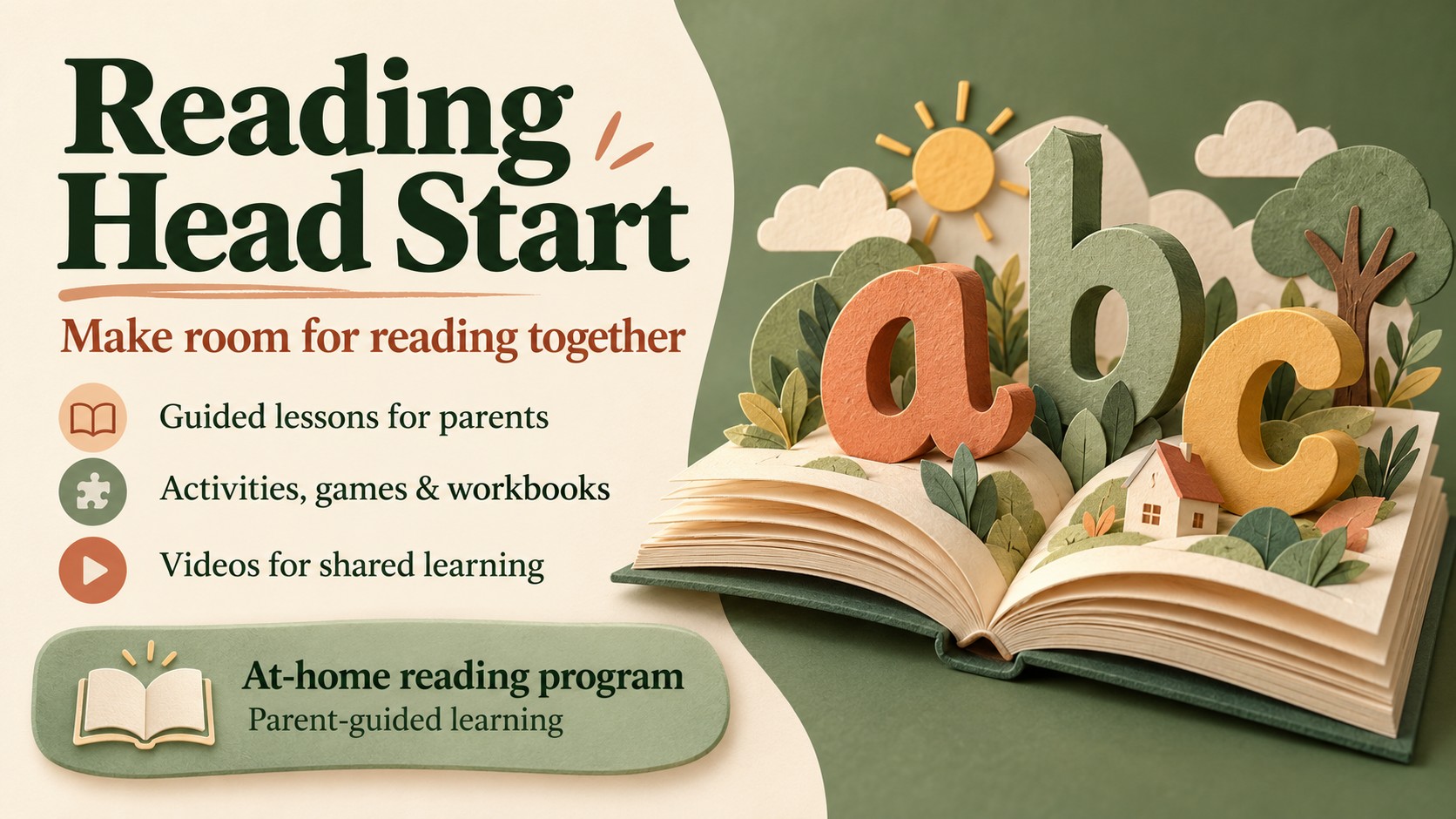

Helping your child learn to read can leave you wondering what to practise and how to keep them interested. Reading Head Start brings guided lessons, games, workbooks and videos into one parent-led program, giving you a more practical starting point for shared learning at home.
You might already have plenty of children’s books but still feel unsure about teaching the skills behind the words. Choosing an activity, explaining it clearly and knowing what to revisit can make reading time feel harder to organise than it needs to be.
Reading Head Start is an online early reading program built around guided lessons and supporting resources. Its appeal is practical: you have material to work from while staying involved in your child’s learning, rather than preparing every session from scratch.
Quick Overview
| What it is: | An online early reading program for young children. |
| How it works: | Parents guide children through reading lessons and supporting activities. |
| Who it’s for: | Parents who want resources for teaching reading at home. |
| What’s included: | Guided lessons, activities, workbooks, games and videos. |
Give reading time a clearer starting point
A guided curriculum gives your efforts somewhere to begin. Instead of opening a random worksheet and hoping it fits, you can use the program’s lessons as the basis for a shared activity. That is particularly appealing if you want to help but have little experience planning reading instruction.
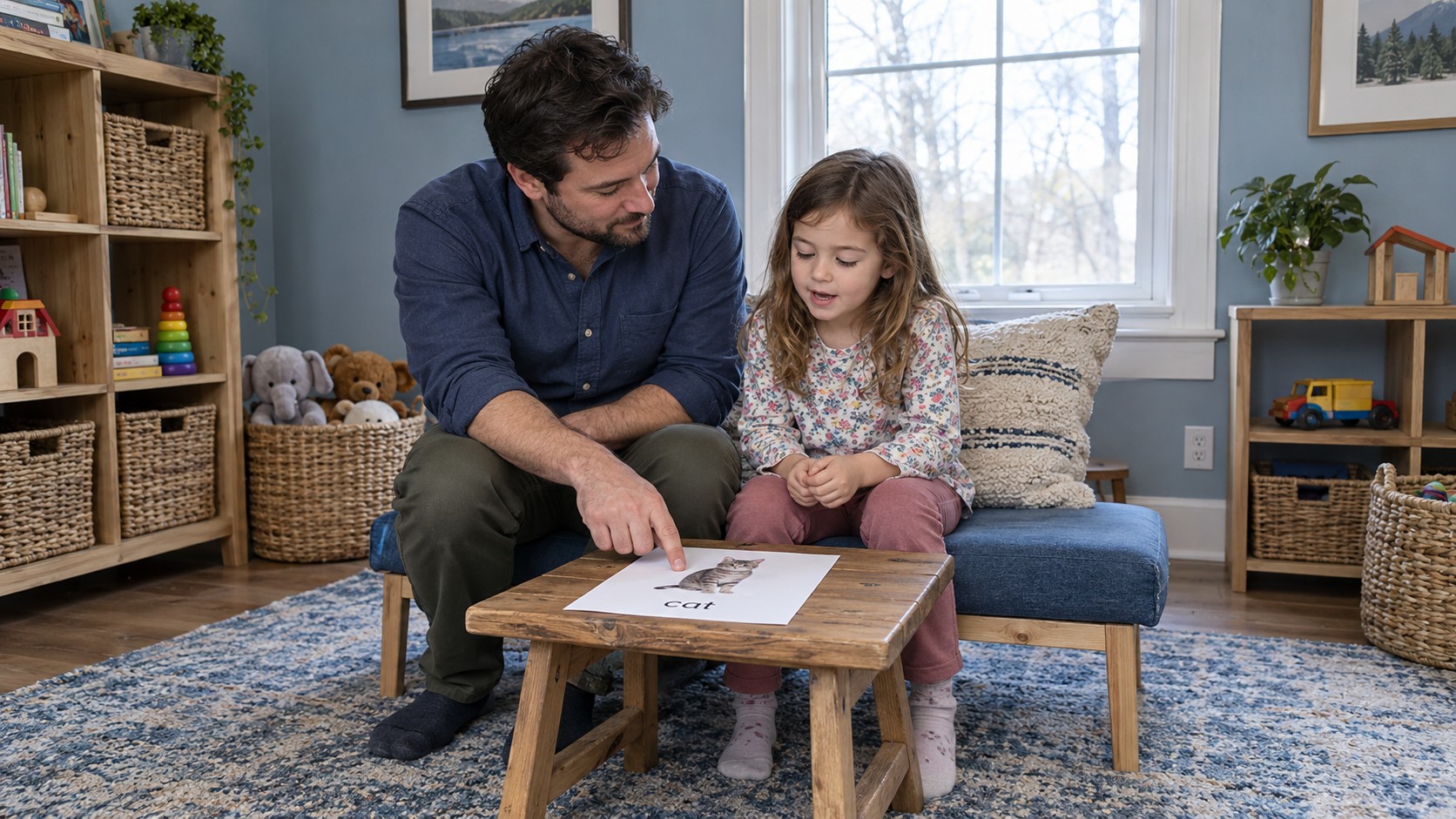
Your role remains active. Sit beside your child, listen to their attempts and notice which parts need another try. A prepared lesson gives you something concrete to focus on, so the time you have together can go toward practising rather than deciding what to teach.
The practical value of a guided lesson is having a starting point when enthusiasm alone does not tell you what to teach.
Keep practice varied with games and workbooks
Repeating a skill does not have to mean repeating the same activity every time. Reading Head Start combines lessons with games, workbooks, activities and videos, giving families several formats to explore within one membership area. That variety is a useful reason to consider it when a single type of exercise struggles to hold your child’s interest.
A workbook offers a different kind of participation from watching a video together. A game can bring a more playful mood to practice. You can use those changes in format to make your time together feel less predictable while keeping reading at the centre.
- Start with prepared lessons when you need direction for a home reading session.
- Use games and activities to give practice a more playful place in the day.
- Bring workbook tasks into sessions when your child is ready for hands-on participation.
- Watch videos together to add another format to your shared learning.
Having several learning formats in one place gives parents more ways to invite participation without inventing a new activity for every session.
Let familiar words follow you through the day
A home reading program becomes more tangible when its practice connects with ordinary moments. After working together, you might notice a familiar letter on a food packet or invite your child to recognise a word you have already discussed. These are ways to extend your involvement using your own surroundings.
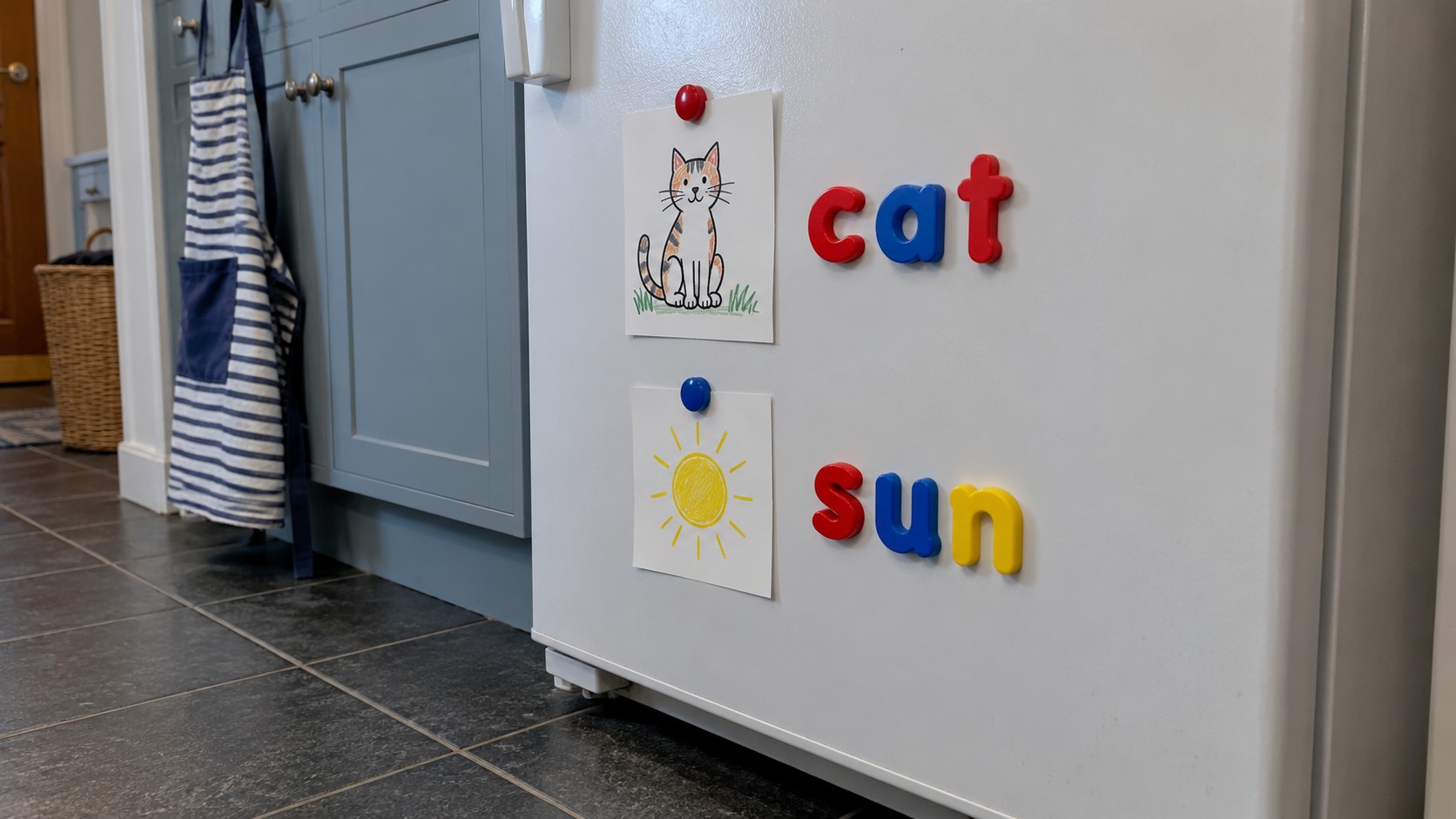
If you already have suitable letter magnets or picture cards, they can provide another opportunity to revisit simple words. Those household materials are optional ideas for extra practice, not items promised as part of the program. The central resource remains the collection of guided lessons and learning activities.
Choose moments when your child is receptive, and leave room to try again. Building a routine around something you can actually repeat is more useful than creating an elaborate setup that rarely gets used.
Encouragement that families have noticed
The customer experiences include small details that help explain the program’s appeal. Derek and Leanne report that their children are enthusiastic and repeat things learned through Reading Head Start. That describes a family’s experience of engagement, rather than a promise about how every child will respond.
Another parent, Brenda S., describes using the program alongside reading together and mentions sounding out words, basic sight words and a letter-sounds song. Her account points to specific activities her family enjoyed. Individual progress varies; the useful takeaway is the combination of parent involvement and opportunities to practise.
The strongest everyday reason to consider this program is the combination of prepared teaching material and a parent who can respond in the moment.
Make the next reading session easier to begin
If uncertainty about what to teach keeps pushing reading practice aside, Reading Head Start offers a concrete way forward: guided lessons supported by games, workbooks, activities and videos. You can bring those resources into shared time at home and give your efforts a clearer focus.
You do not need to have an entire collection of homemade lessons ready before getting involved. With a parent-led curriculum to work from, you can put more attention into the part that matters most to your family: helping your child take part, practise and enjoy discovering words.